
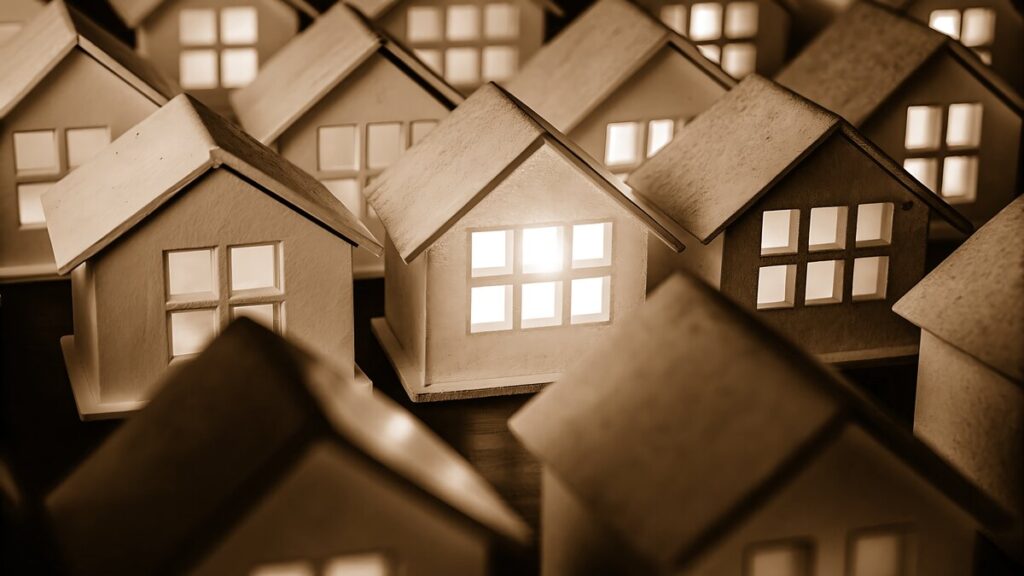
Nestled on the northeast side of Caldwell, Idaho, the Cumberland neighborhood brims with stories, resilience, and a proud sense of belonging. For both longtime residents and curious newcomers, Cumberland represents more than just streets and houses—it’s a living chronicle of Caldwell’s evolution, stitched together by family traditions, historic homes, and a deeply-rooted community spirit.
Origins: Planting the Seeds of Cumberland
Cumberland’s story began in the early 20th century, shortly after Caldwell experienced its first big population boom. Much of Caldwell’s growth at the time was propelled by the arrival of the Oregon Short Line Railroad and the expanding agricultural economy. The city quickly became a hub for commerce and migration, leading developers to look northeast of Chicago Street for new residential opportunities.
The name “Cumberland” is believed to have come from the Cumberland Presbyterian Church, a spiritual and social anchor for early settlers just a few blocks away. Others say the name echoed the famous Cumberland Gap, a symbolic passage to opportunity and new life that resonated with families seeking to put down roots in Idaho’s promising west. Although the precise attribution is debated, the spirit of resilience and pioneering still runs through the neighborhood.
Key Historical Milestones
- 1920s-1930s: Building the Foundation
As Caldwell’s downtown blossomed, families began erecting modest bungalows and sturdy craftsman-style homes north of Linden Street. Streets like Fillmore and Elgin quickly filled with busy households, and the community marked its first official subdivision filing—Cumberland Addition—in 1926.
- Post-War Era: Growth and Transformation
After World War II, Cumberland saw a surge of new families. Soldiers returned to affordable lots along Kimball Avenue, and baby carriages soon lined the sidewalks. The opening of Wilson Elementary School on Simplot Boulevard became a turning point, drawing more families and driving a wave of suburban infill through the 1950s.
- Community Spirit in the 1970s and 80s
By the late 20th century, Cumberland was a vibrant blend of cultures and ages. Residents organized annual block parties on North Montana Avenue, and the now-iconic Cumberland Park—wheelchair-friendly and shaded by mature maples—became a beloved gathering spot for picnics, baseball, and after-school games.
Notable Landmarks, Streets, and Institutions
Cumberland’s distinct personality is reflected in its local landmarks, each echoing a chapter of the neighborhood’s unique story:
- Cumberland Park
Located at the corner of Montana Avenue and Fillmore Street, this green oasis was established in the 1960s thanks to donations from neighborhood families. The sprawling lawns, updated playground, and shaded picnic shelters make it the heartbeat of the community, hosting annual Easter egg hunts and summer movie nights.
- Historic Residences
Walking along Kimball Avenue or Elgin Street, you’ll find some of Caldwell’s earliest bungalow homes—many with original stained-glass panels and river-rock fireplaces. These homes have seen waves of modern renovation, but the craftsmanship hints at the enduring pride of the neighborhood’s founders.
- Wilson Elementary School
Serving Cumberland’s youth since 1952, Wilson Elementary stands as both an educational cornerstone and a hub for community discussion. Alumni often reminisce about the harvest festivals and student parades that filled the neighborhood with laughter and unity for generations.
- The Old Cumberland Grocery
Once a lively corner shop on Denver Street, Cumberland Grocery fueled children’s bike rides and fathers’ Sunday paper stops, before closing its doors in the early 1990s. The old sign remains, preserved by neighbors as a nostalgic marker of simpler times.
Evolution: Cumberland Today
Over the last two decades, Cumberland has gracefully blended its cherished past with 21st-century vibrance. The neighborhood now enjoys:
- A resurgent interest in historic home renovation, with local builders taking pride in preserving original details while adding modern comforts.
- Strong neighborhood associations, which organize litter clean-ups along Linden and Colorado Streets and advocate for pedestrian-friendly improvements.
- New generations returning to their childhood homes, ensuring that the shared traditions—fall chili cook-offs, outdoor movie nights, volunteer projects—continue to thrive and adapt.
Even as Caldwell grows and changes, Cumberland remains a place where neighbors wave hello, kids walk to Wilson Elementary under the canopy of ancient trees, and community events draw dozens to the park pavilion every summer.
Why Cumberland Endures
There’s an undeniable warmth that infuses life in Cumberland. It’s in the cheerful window boxes on old Fillmore bungalows, the hum of laughter echoing at Cumberland Park, and the familiar faces who turn out year after year for neighborhood celebrations.
Ask any lifelong resident: Cumberland’s truly special quality is the way its history is not locked away in books or museums, but woven into everyday life. From annual traditions rooted in the 1950s to the ongoing passion for preservation, this neighborhood stands as a testament to what can happen when people cherish their community and nurture the bonds that connect them.
Whether you’re strolling the leafy sidewalks of Elgin Street or attending the next neighborhood barbecue, Cumberland welcomes you with its storied past, lively present, and a sense of home that endures for generations.